ZKSJECO
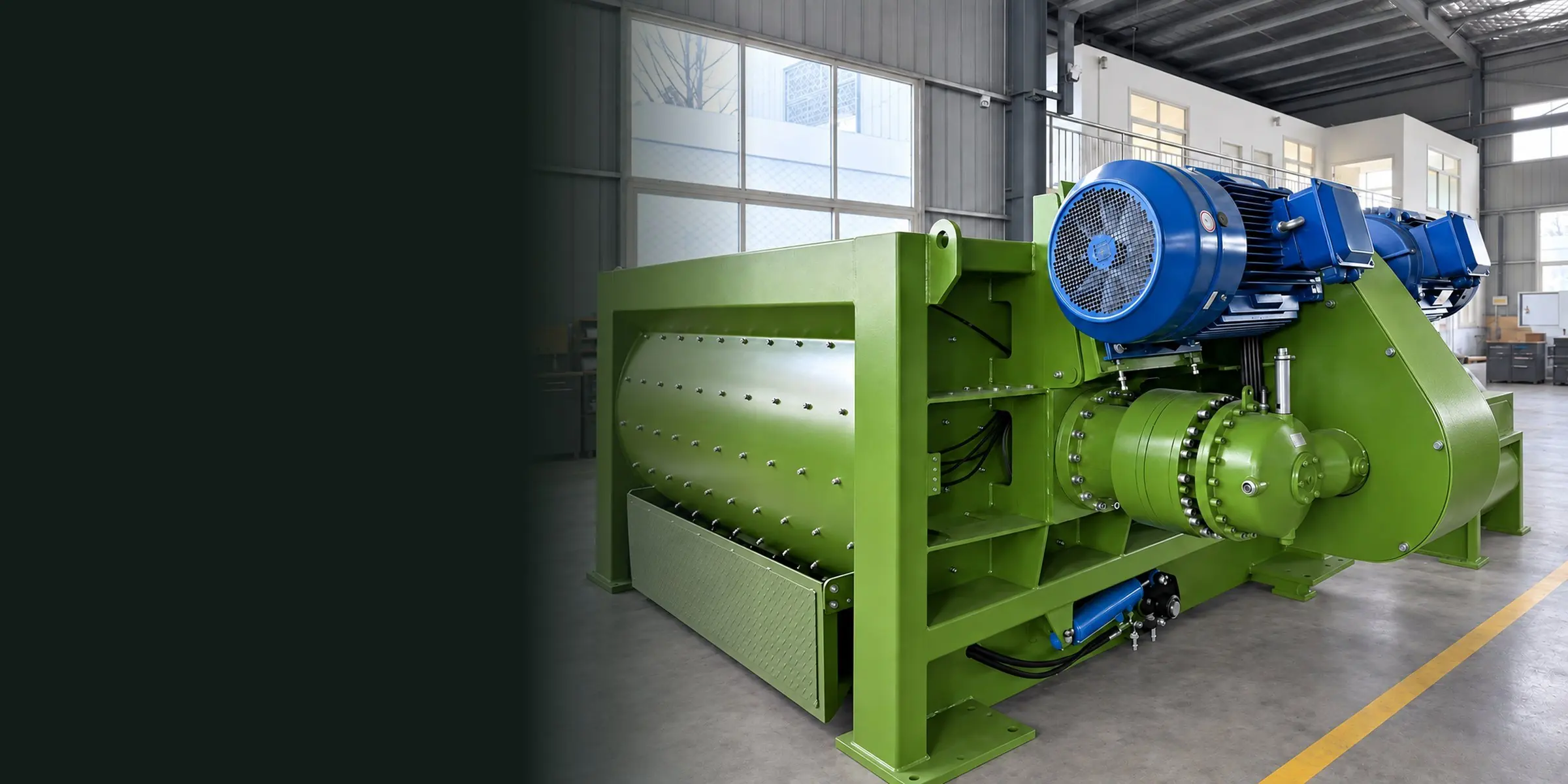
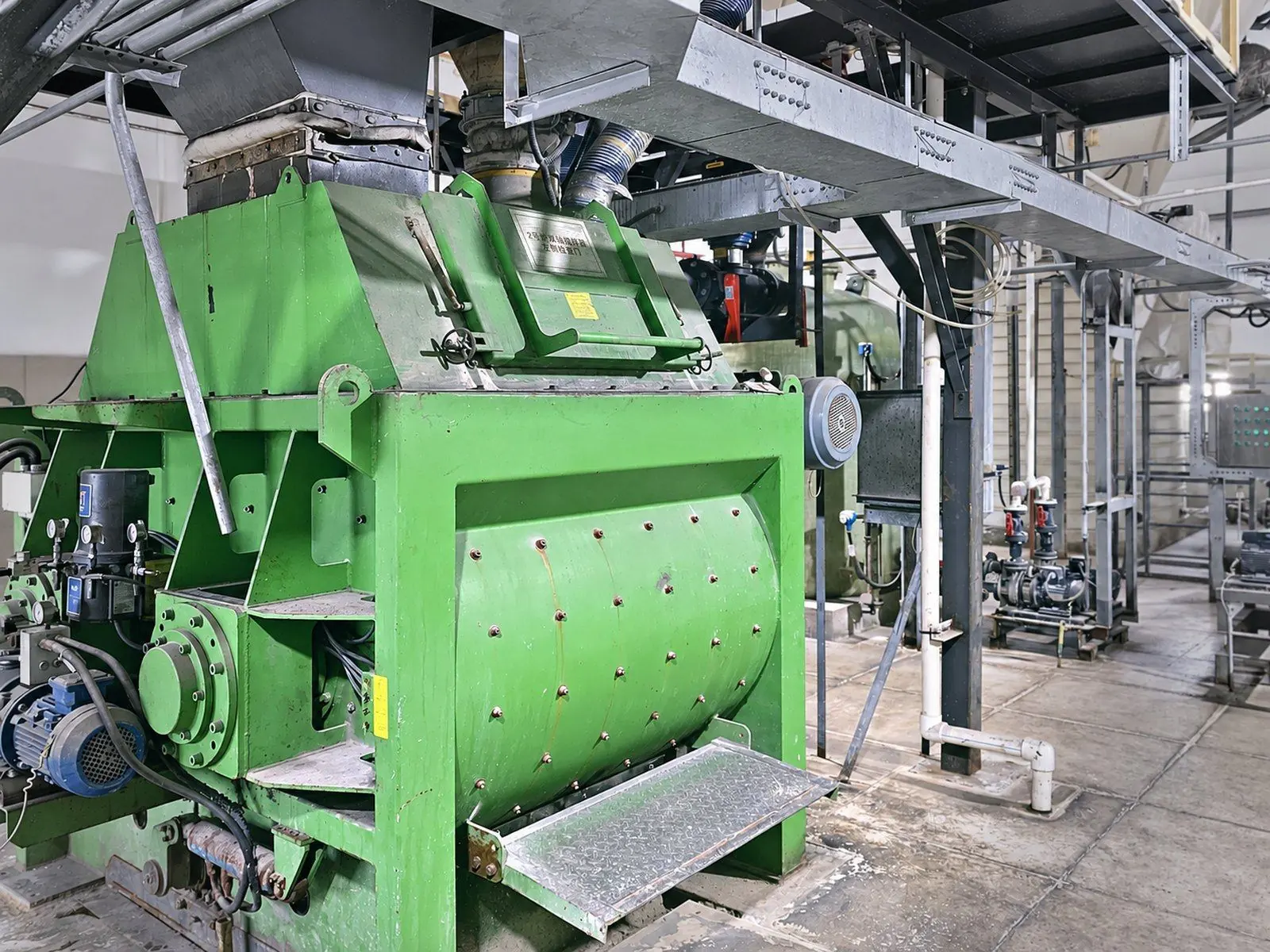
Green twin-shaft mixer with blue motors, belt guard and reducer, finished in our workshop

Equipment / Mixers

Mixers

Our core machine is the twin-shaft batch mixer, built in our works for dry, damp and sticky mixes with binder and liquid addition. Also called a twin-shaft paddle or pug mill mixer; ours work in batches. Planetary and tilting intensive mixers are supplied as part of a line.

Counter-rotatingtwin horizontal shafts, broken-spiral paddles
HRC ≥ 54high-chromium cast iron paddles and liners
60–3000 Lbatch output, larger on request

Mixers

One core machine, and two options for line projects

  • Core machine · built in our works

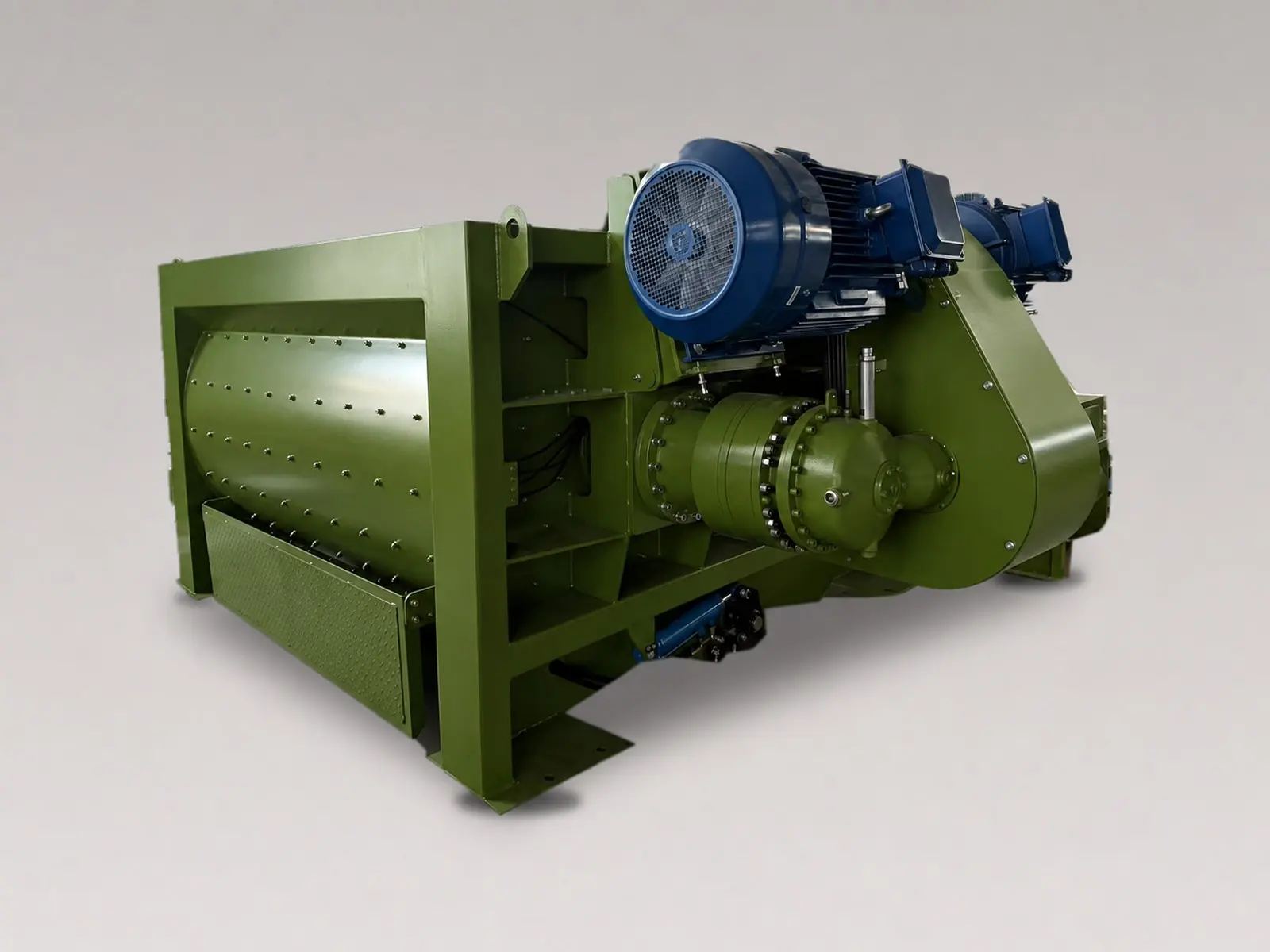
    Green twin-shaft mixer with two drive motors

    Twin-shaft batch mixers

    Our core machine, built in our works, 60–3000 L. For sticky, abrasive and corrosive mixes: fly ash, sludge, mixes with cement and reagents.

    Details below
  • Option for line projects

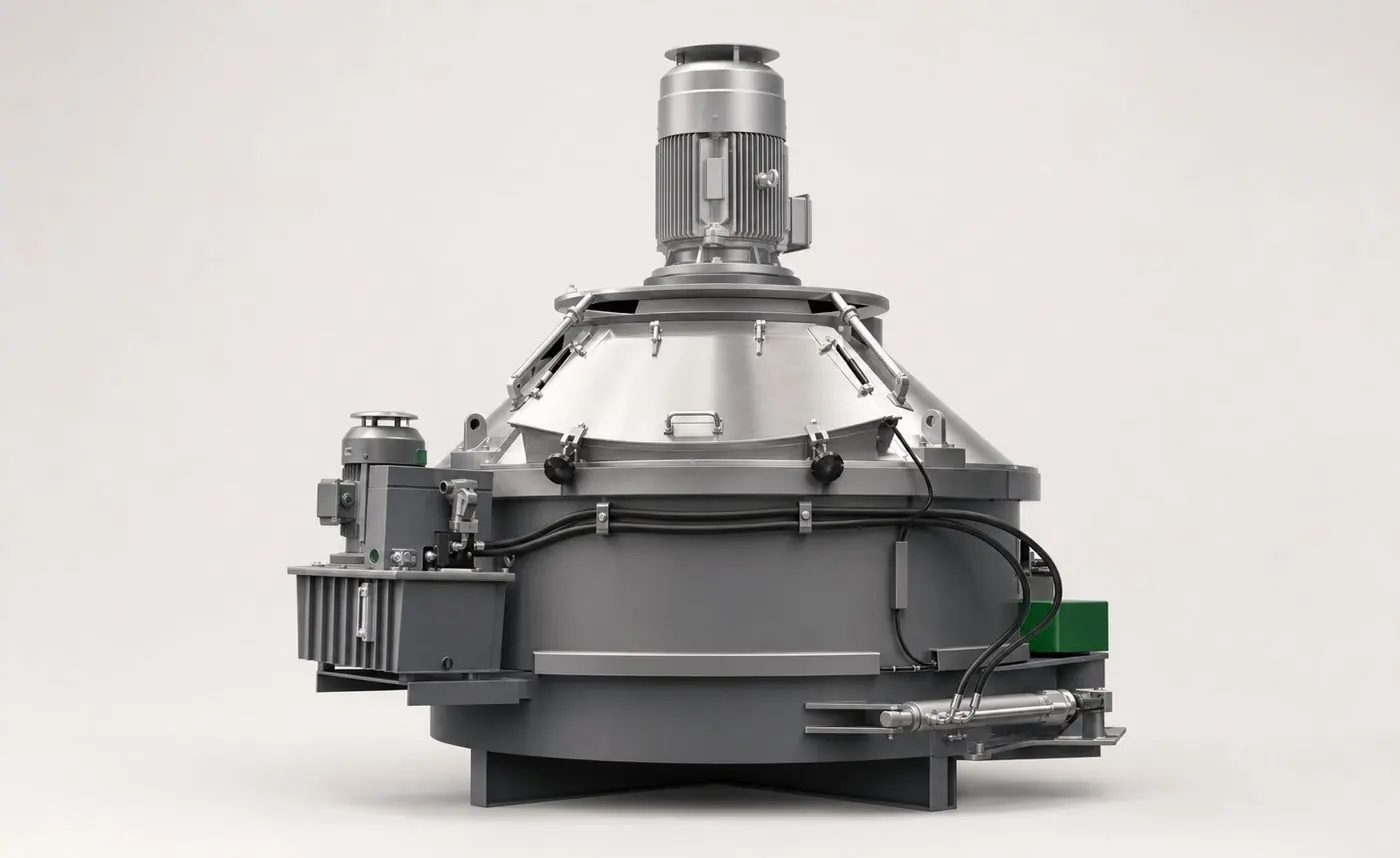
    Vertical planetary mixer

    Vertical planetary mixers

    Smaller batches of fine powders that must mix very evenly, such as refractories and ceramic bodies.

  • Option for line projects

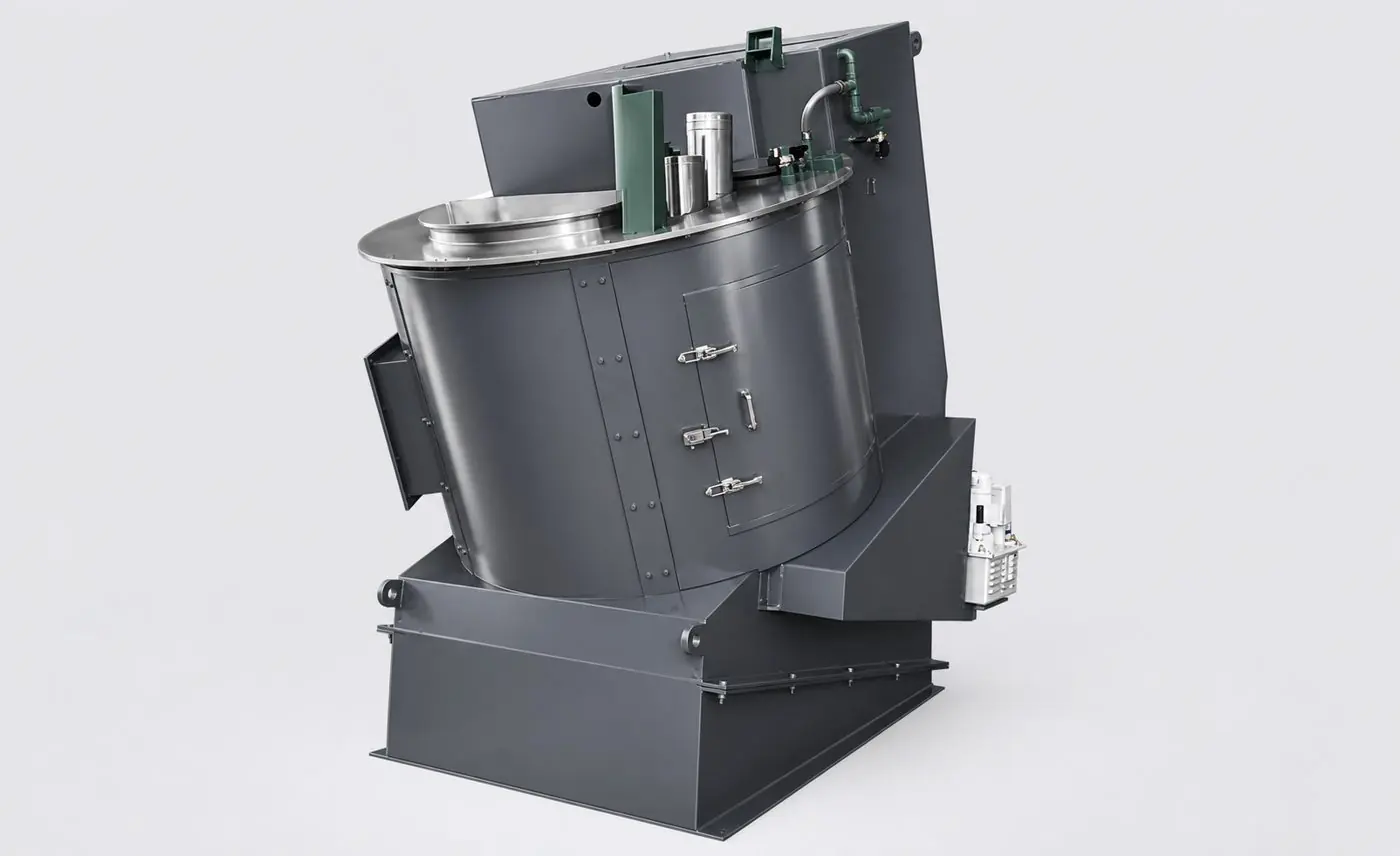
    Tilting intensive mixer

    Tilting intensive mixers

    Intensive mixing and granulating of fine powders.

Planetary and tilting intensive mixers are built by us or sourced from partners, depending on the project, and supplied as part of a line.

Fly ash is dusty going in, sticky once water and reagents are added, and abrasive the whole way. We built the mixer around that.

The same design serves other sticky, abrasive or corrosive mixes. Wetted materials and connections are chosen for the duty.

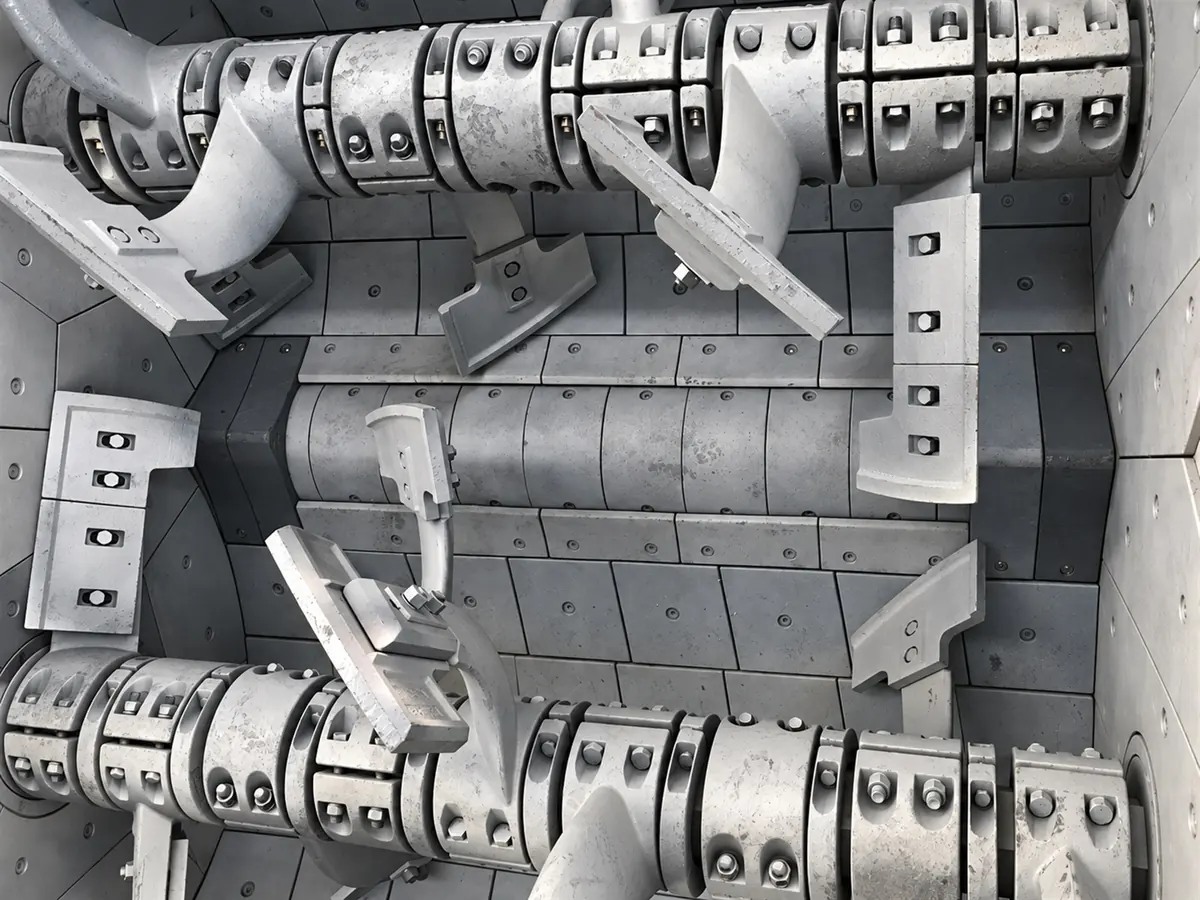
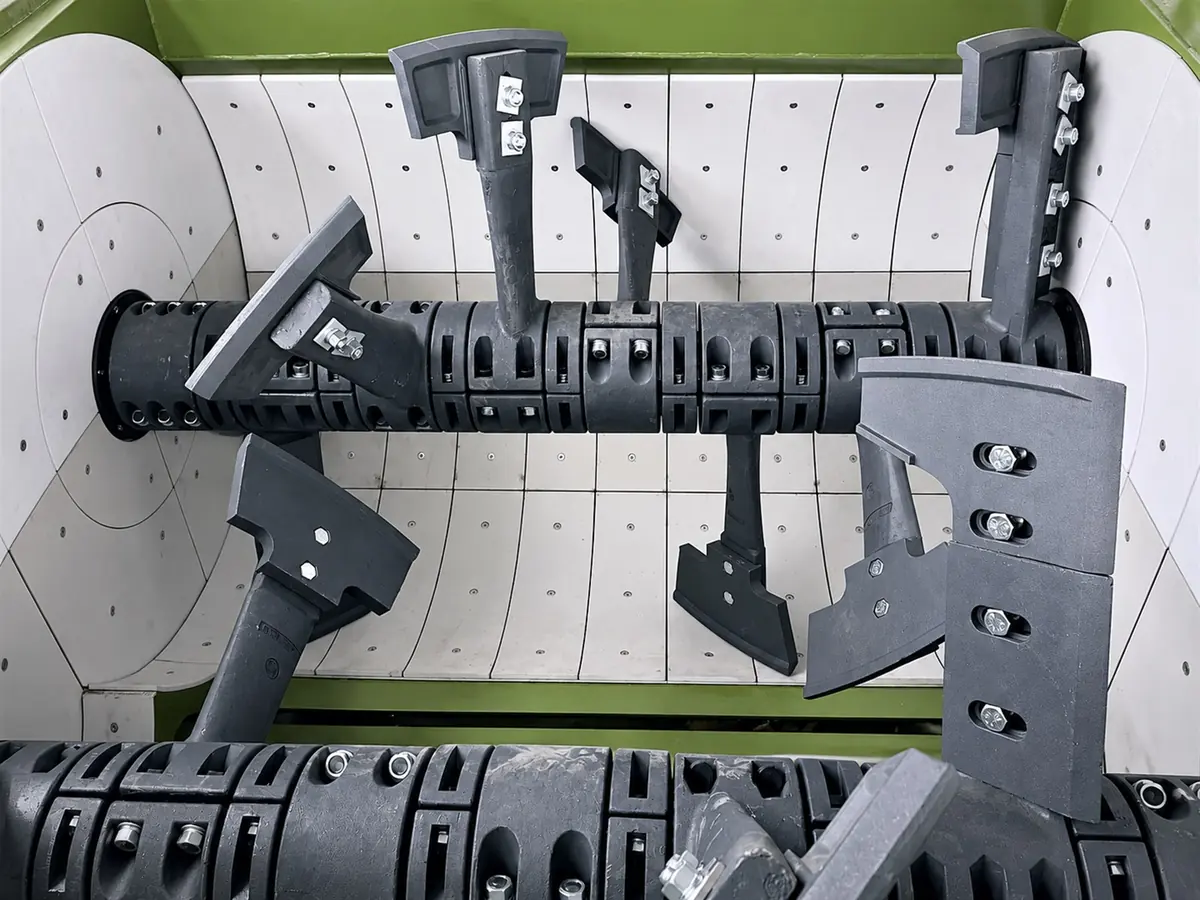
Inside the trough: two shafts with bolted wear-resistant paddles and liner plates
Inside the trough

How it's built

Built for sticky, abrasive and corrosive mixes

Two shafts, bolted paddles, liner plates you replace one at a time. Wear parts that change quickly mean shorter stops.

Three liner materials, chosen for what you mix

Trough, shafts and paddles stay the same. The liner is matched to the material.

Twin-shaft mixer with wear-resistant alloy liners and paddles
Wear-resistant alloyHigh-chromium cast alloy liners and paddles for abrasive material: fly ash, slag, sand, cement-bound mixes.Standard build
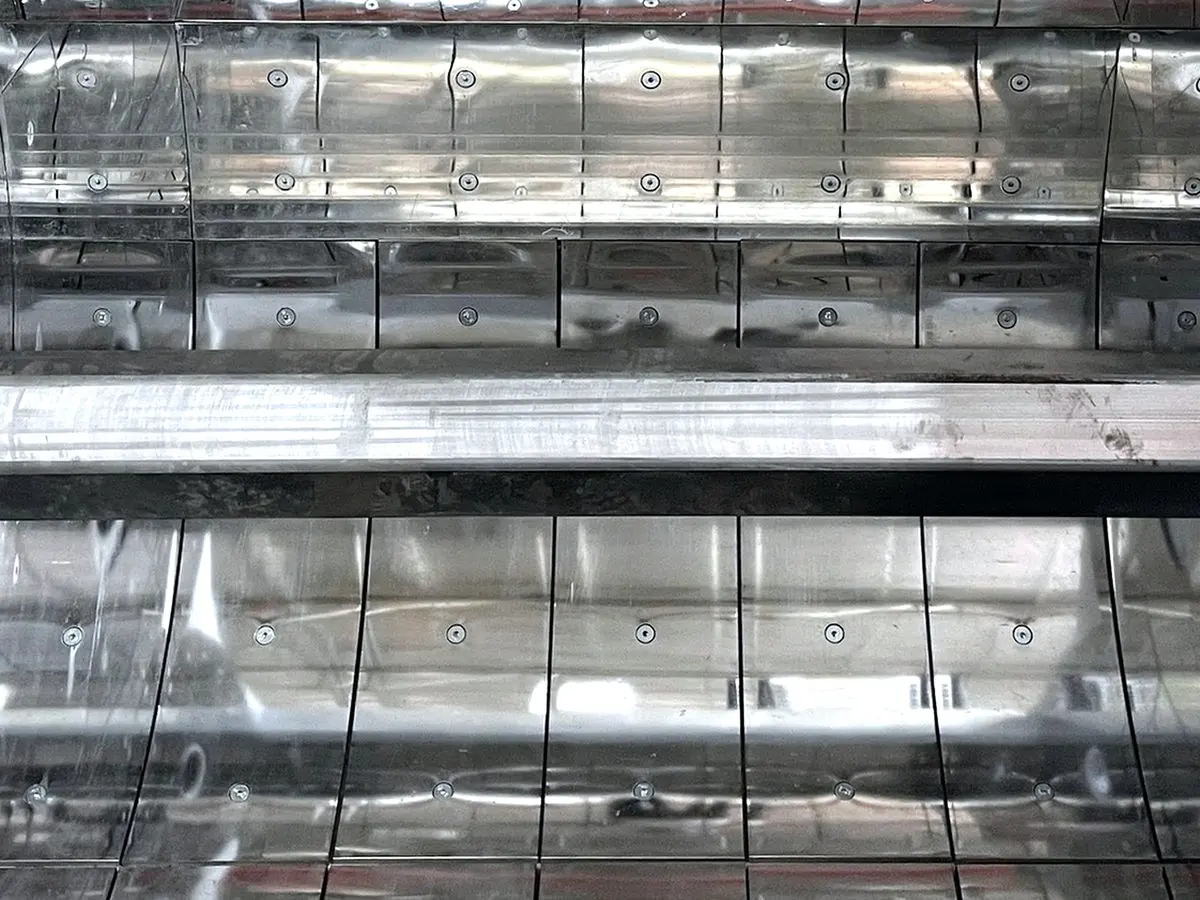
Mixer trough lined with bolted stainless steel plates
Stainless steelCorrosion resistant, with a smooth face that sheds material. For wet or chemically aggressive mixes: chelated fly ash, sludge, chemicals.Corrosion-resistant option
Mixer trough lined with bolted polymer plates
Engineering polymerAnti-stick and corrosion resistant. For damp, sticky material that builds up on steel: sludge, gypsum.Anti-stick option
  • 01

    Two shafts turning against each other

    Paddles sit on each shaft in a broken spiral. Where the two paths overlap in the middle, material is thrown back and forth, so the whole trough is worked at a fairly low speed.

    Large: motor and reducer per shaft · Small: one motor, synchronizing gears
  • 02

    Wear-resistant paddles and liners

    Liners are bolted to the trough, so worn plates are swapped one at a time.

    High-Cr cast iron · HRC ≥ 54 · impact ≥ 7.0 N·m/mm² · bending ≥ 600 N/mm² · JG/T 5045.2-93
  • 03

    Corrosion-protected shell

    Pressed from a single steel plate and lined inside with a bonded polymer layer against the liquids in the mix. The liners cover that layer so it isn't worn away.

    Q235 · 8 mm shell
  • 04

    Sealed shaft ends

    Several seals in series keep slurry away from the shaft ends. An electric grease pump feeds each shaft end from its own pump element, with no divider valve to block.

    Seal rings: acid and alkali resistant, 180 °C · 4-point grease supply
  • 05

    Enclosed discharge

    The discharge door holds at any opening, has a manual override and comes off for maintenance. The enclosed discharge is designed to keep dust and slurry in.

    Large: hydraulic · Small: pneumatic

Sizes

Models

ModelBatch outputMotorDischargeLubricationWeight
ZKS6060 L5.5 kWPneumaticManual440 kg
ZKS150150 L7.5 kWPneumaticGrease pump600 kg
ZKS10001000 L2 × 18.5 kWHydraulic4-point auto5000 kg
ZKS15001500 L2 × 30 kWHydraulic4-point auto5400 kg
ZKS20002000 L2 × 45 kWHydraulic4-point auto7600 kg
ZKS30003000 L2 × 55 kWHydraulic4-point auto8900 kg

Which size? Read the sizing guide

Hydraulic power pack on larger models: 2.2 kW. Auto-lube pump: 24 V DC. Supply 380 V 50 Hz as standard; other voltages and 60 Hz to order. Larger sizes are designed for the duty.

Different people, different questions

What each of you needs to know

Engineering

Design and limits

  • Twin horizontal shafts, counter-rotating, broken-spiral paddles
  • Wetted materials chosen for the duty
  • Outline and interface drawings on request

Purchasing

What's in the scope

  • Drive: hardened-gear reducer and motor
  • Shafts, arms, paddles, liners
  • Trough, discharge system, lubrication

Maintenance

Wear parts and upkeep

  • Paddles and liners: bolted, replaced one by one
  • Shaft-end seal rings
  • Four-point grease supply, one line per shaft end

Owner

Why it's worth it

  • Experience from fly ash and hazardous-waste stabilization lines
  • Quick wear-part changes, shorter stops
  • Performance commitments go in each project's technical agreement

On video

Finished in our works

A twin-shaft batch mixer after painting and final assembly in our works.

Questions buyers ask

FAQ

What is the difference between a twin-shaft batch mixer and a continuous pug mill?

A batch mixer weighs, mixes and discharges one charge at a time, so every batch gets exactly the recipe. A continuous pug mill mixes as material flows through it. For stabilization, where the reagent dose has to match the ash weight, batch mixing gives tighter control.
Which mixer size do I need?

Our twin-shaft mixers run from 60 L to 3000 L per batch, larger on request. The size follows your daily tonnage, the hours you run and the batch cycle; the sizing guide walks through it, or send us the figures.

How long do the paddles and liners last?

It depends on the material and the hours run. Paddles and liners are high-chromium cast iron, HRC 54 or harder, and bolted on, so worn parts are changed one at a time on site instead of replacing the trough.

Can it handle corrosive reagents and slurry?

Yes. The shell is lined with a bonded polymer layer against the liquids in the mix, the liners cover that layer, and the shaft seals are acid- and alkali-resistant up to 180 °C.

Do you also supply planetary and intensive mixers?

Yes, as part of a line. Depending on the project we build them or source them from partners.

What warranty and after-sales service do you give?

A 12-month warranty on manufacturing faults, spare parts in stock for the life of the machine, 24-hour technical support, and engineers who supervise installation, commission the equipment and train your staff on site.

Two ways to start